2021 Matthews Horse Heaven Hills Cabernet Sauvignon
this is downright delicious stuff to consume now and over the next fifteen plus years to come.
Cabernet Sauvignon is the most widely planted grape and the most recognized red wine in the world, and its enduring popularity is well earned. Its origins trace back to the Left Bank of Bordeaux, where gravel rich soils and a temperate maritime climate provided ideal conditions for the variety to ripen fully while retaining structure, acidity, and age worthy tannin. From Bordeaux, Cabernet Sauvignon found a celebrated second home in California, where warmth and sunlight emphasized its depth, plush texture, and evocative aromatics, cementing its global reputation.
Today, Cabernet Sauvignon is widely planted across the Columbia Valley, where the combination of warm days, cool nights, and diverse soils offers near perfect conditions for the grape. This dramatic diurnal shift drives ripe fruit expression while preserving natural acidity and freshness, resulting in wines that are both powerful and balanced. When the full potential of Washington terroir is harnessed, Columbia Valley Cabernet Sauvignon consistently earns its place in blind tastings and on the tables of connoisseurs across the United States and around the world.
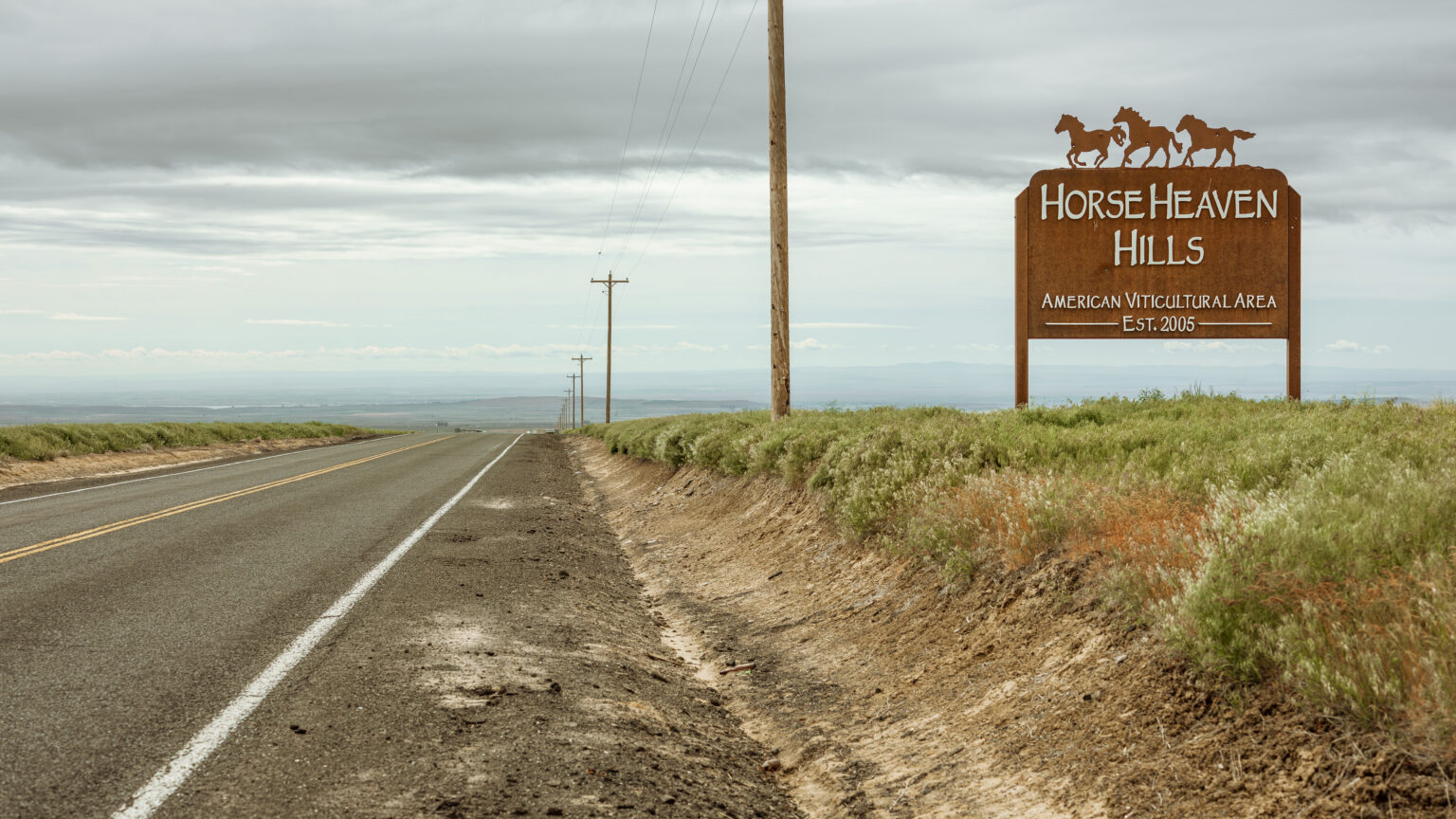
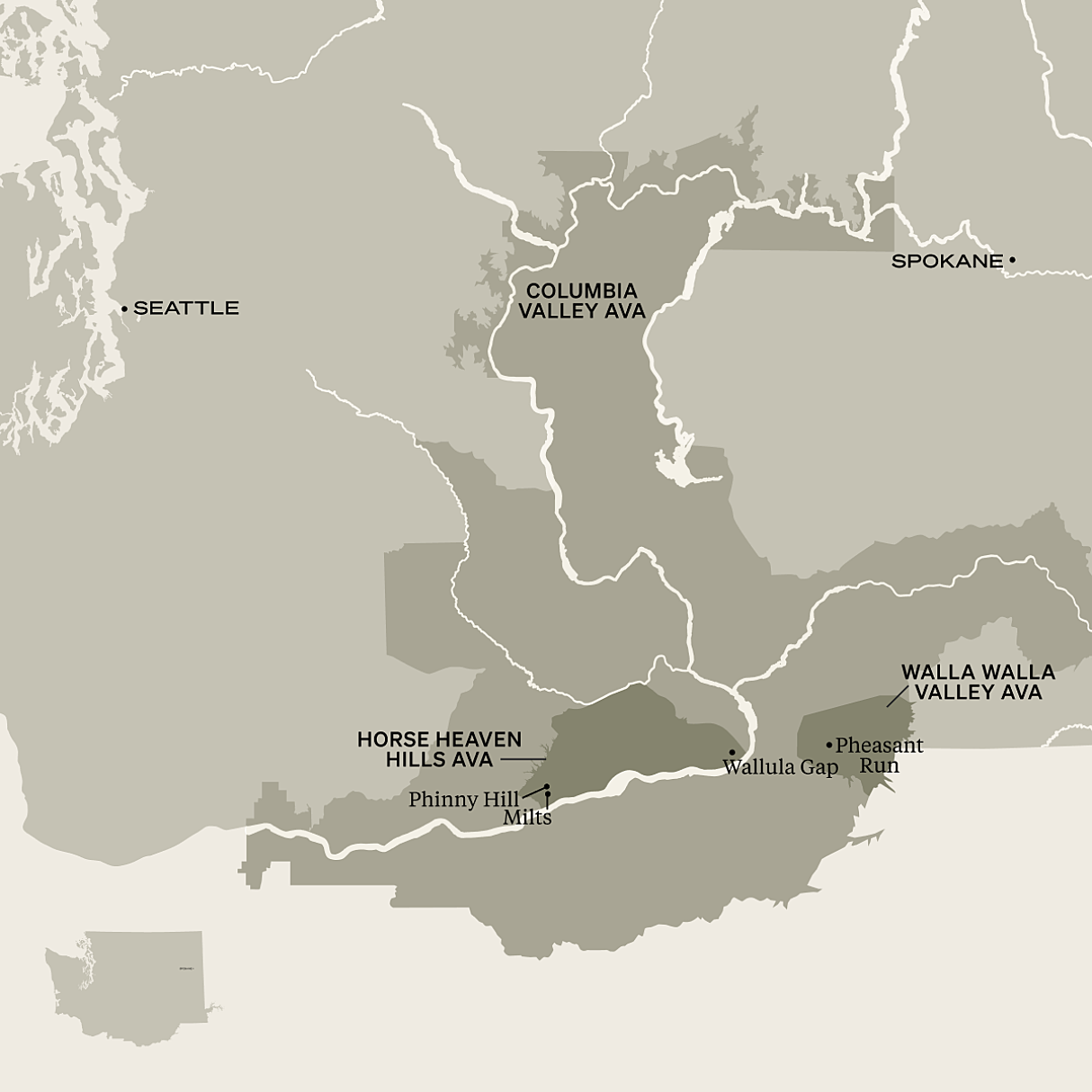
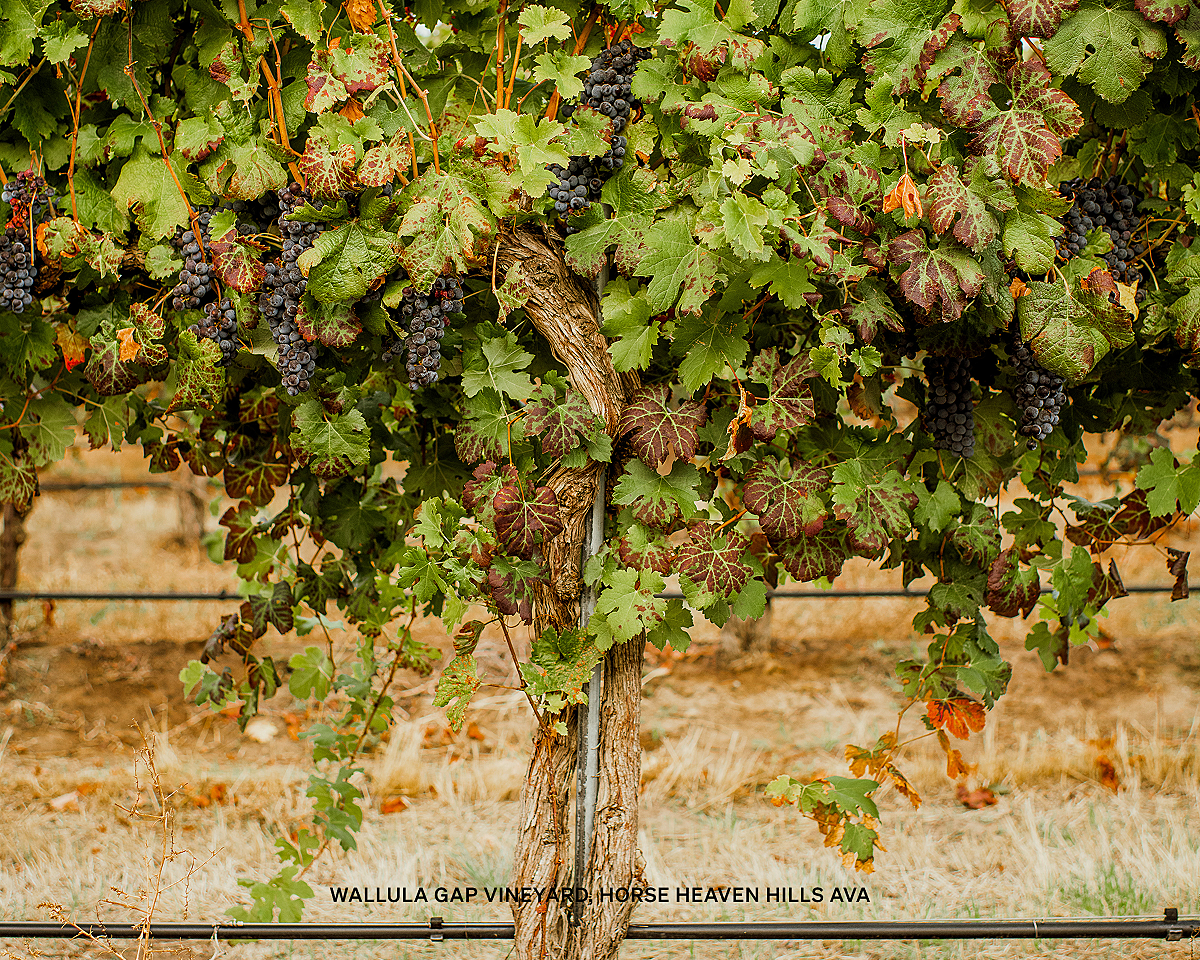
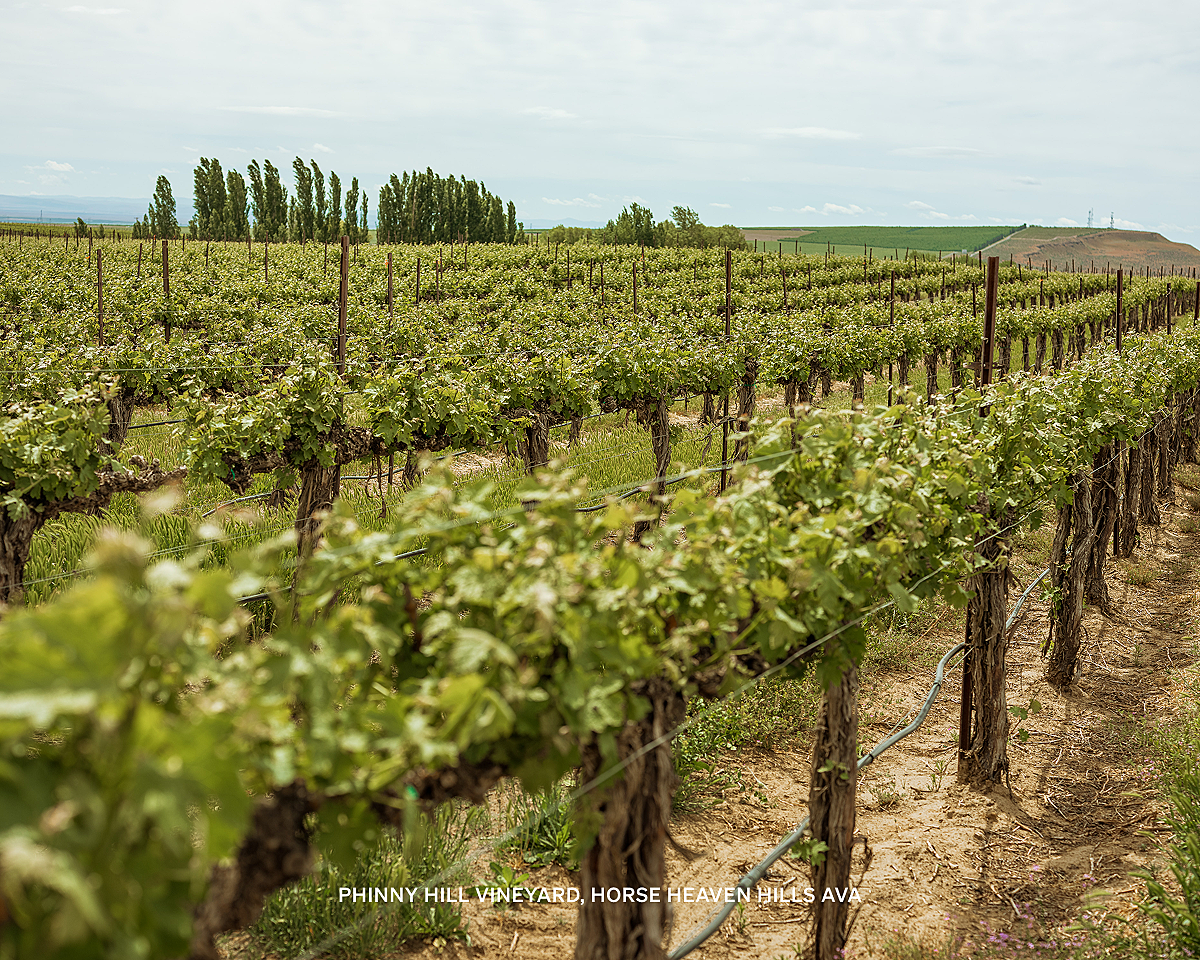
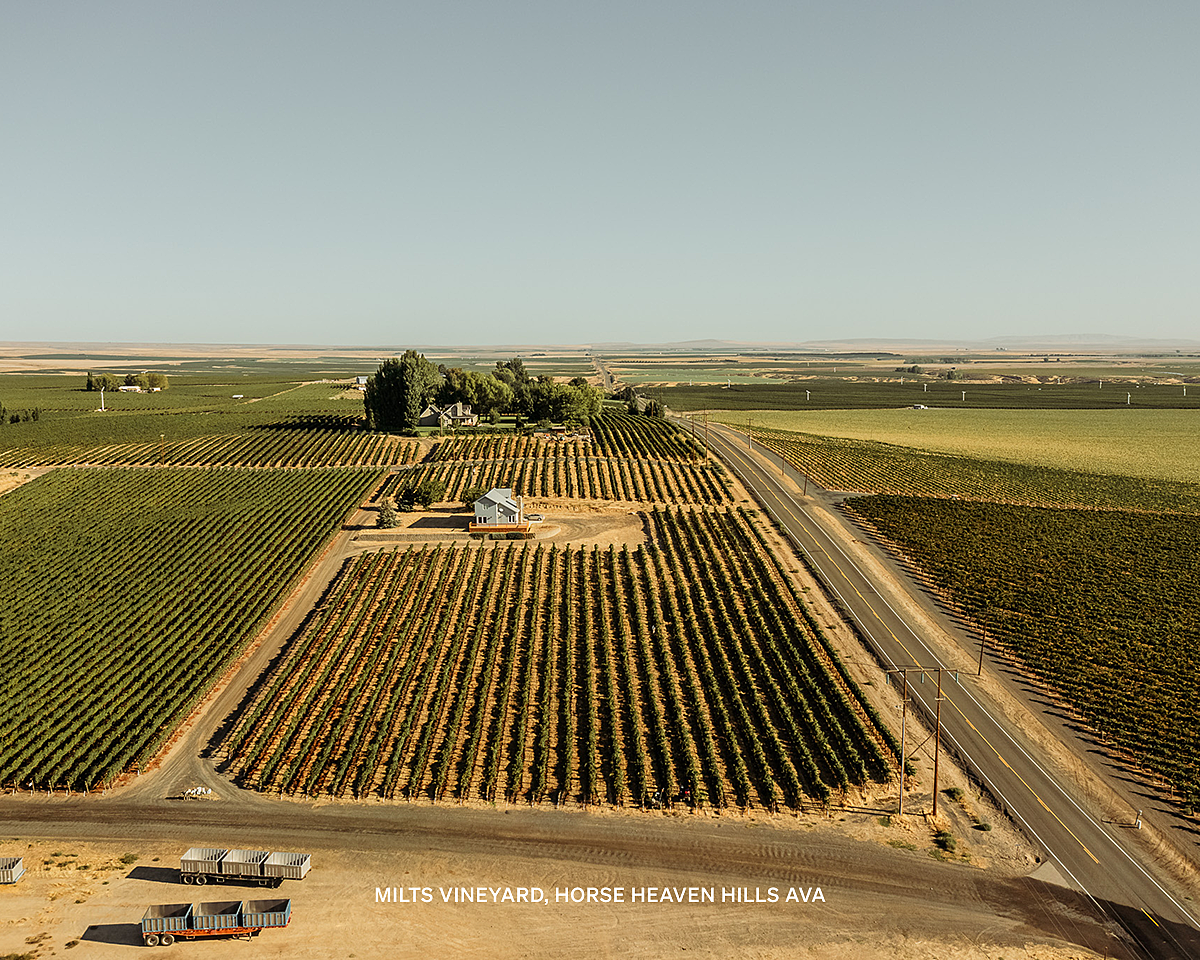
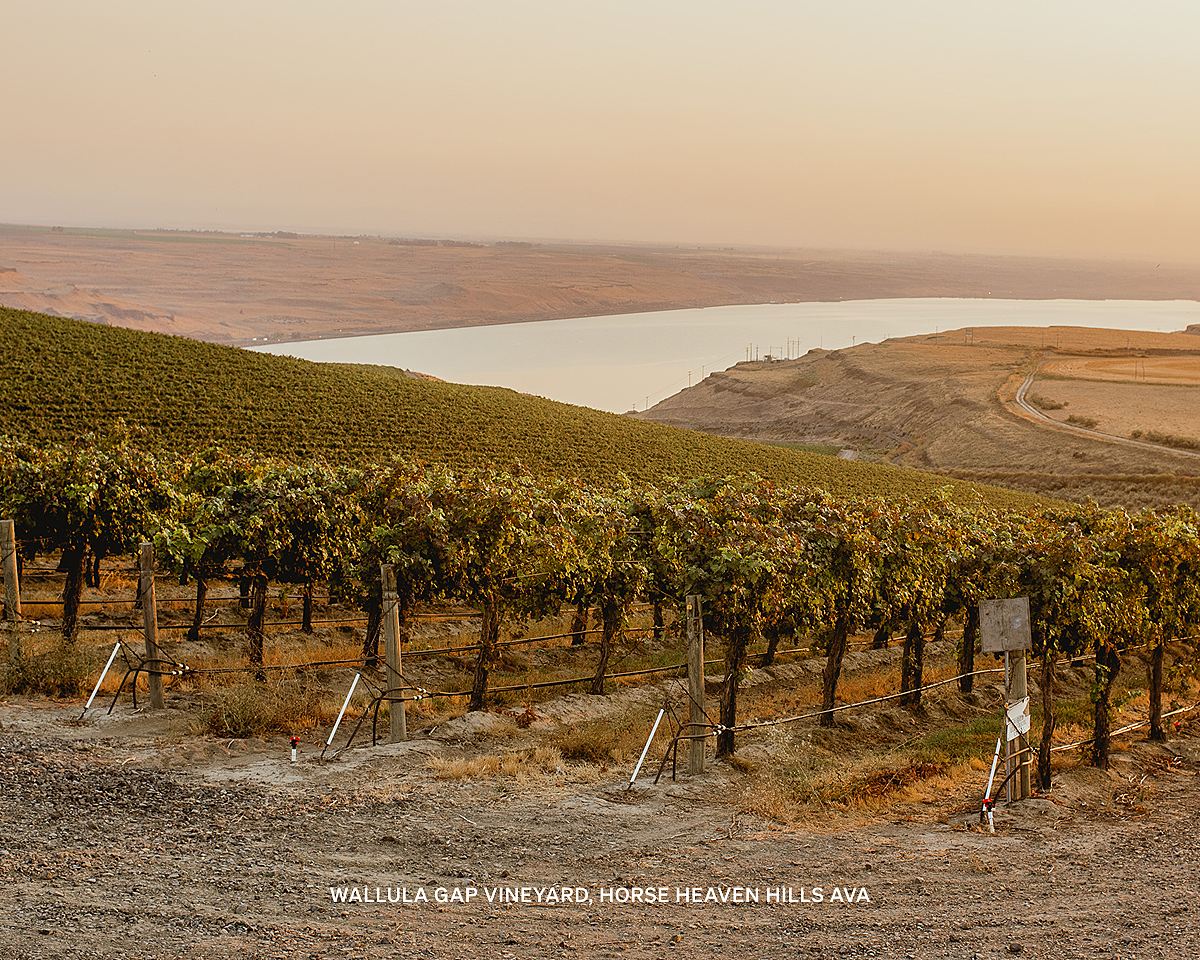
The 2022 Matthews Horse Heaven Hills Cabernet Sauvignon draws from several standout vineyard parcels within this iconic AVA, including Wallula Gap, Phinny Hill, Milt’s, and a small contribution from Pheasant Run Vineyard in the Walla Walla Valley. These sites span a range of elevations, exposures, and soil profiles, allowing the wine to reflect the breadth of Cabernet Sauvignon’s flavor, structure, and aromatic expression from one of Washington’s most distinctive growing regions. Together, they contribute layers of dark fruit, savory nuance, and finely grained tannin, forming a Cabernet that is both expressive and age worthy.
Throughout the season, the Matthews winemaking team worked closely with vineyard managers to restrict yields and carefully manage vine health. Naturally low yields produced small, concentrated berries, while cool fall nights preserved freshness as flavors continued to develop. Hand harvesting took place in the early mornings of mid October to ensure fruit arrived at the winery cool, intact, and in pristine condition.
Vintage Weather Overview
The 2021 growing season began with below average winter precipitation and an early bud break in late March. Bloom followed moderately early under hot and windy conditions in late May and early June, resulting in significant shatter and the formation of small clusters and berries. These conditions naturally reduced yields and heightened concentration in the remaining fruit.
Veraison began early but progressed on a more typical timeline. The defining moment of the vintage came in late June with the historic heat dome event, which shattered high temperature records across all regions and proved to be the most influential weather event of the year. Elevated temperatures through veraison accelerated sugar accumulation, while flavor development and phenolic ripeness lagged behind. Acidity levels were lower than average, placing greater importance on careful harvest timing.
Patience proved essential. As temperatures cooled in the fall, flavor development caught up and sugar levels plateaued, allowing balance and complexity to emerge. Harvest conditions in September and October were cool and steady, with minimal rainfall and no early frost. The resulting red wines from 2021 show strong varietal typicity, intense concentration, and impressive structure.
Harvest and Farming Practices
During bloom, clusters sustained significant shatter due to challenging weather conditions. Combined with the stress of the heat dome, yields were exceptionally low and flavor development required close monitoring throughout the season. Many varietals lagged in flavor despite their naturally low yields, making strategic vineyard management critical.
Growers employed several techniques to protect vine health and fruit quality during extreme heat, including maintaining greater canopy cover to shade clusters and implementing continuous drip irrigation to support the vines through prolonged stress. These efforts proved highly effective, resulting in a healthy and resilient crop despite intense growing conditions.
Recognizing that flavors needed additional time to fully develop, the winemaking team elected to extend hang time well into October across many sites. Fruit was hand harvested in the cool early morning hours and hand sorted upon arrival at the winery, ensuring only the highest quality berries were selected for fermentation.
Vinification
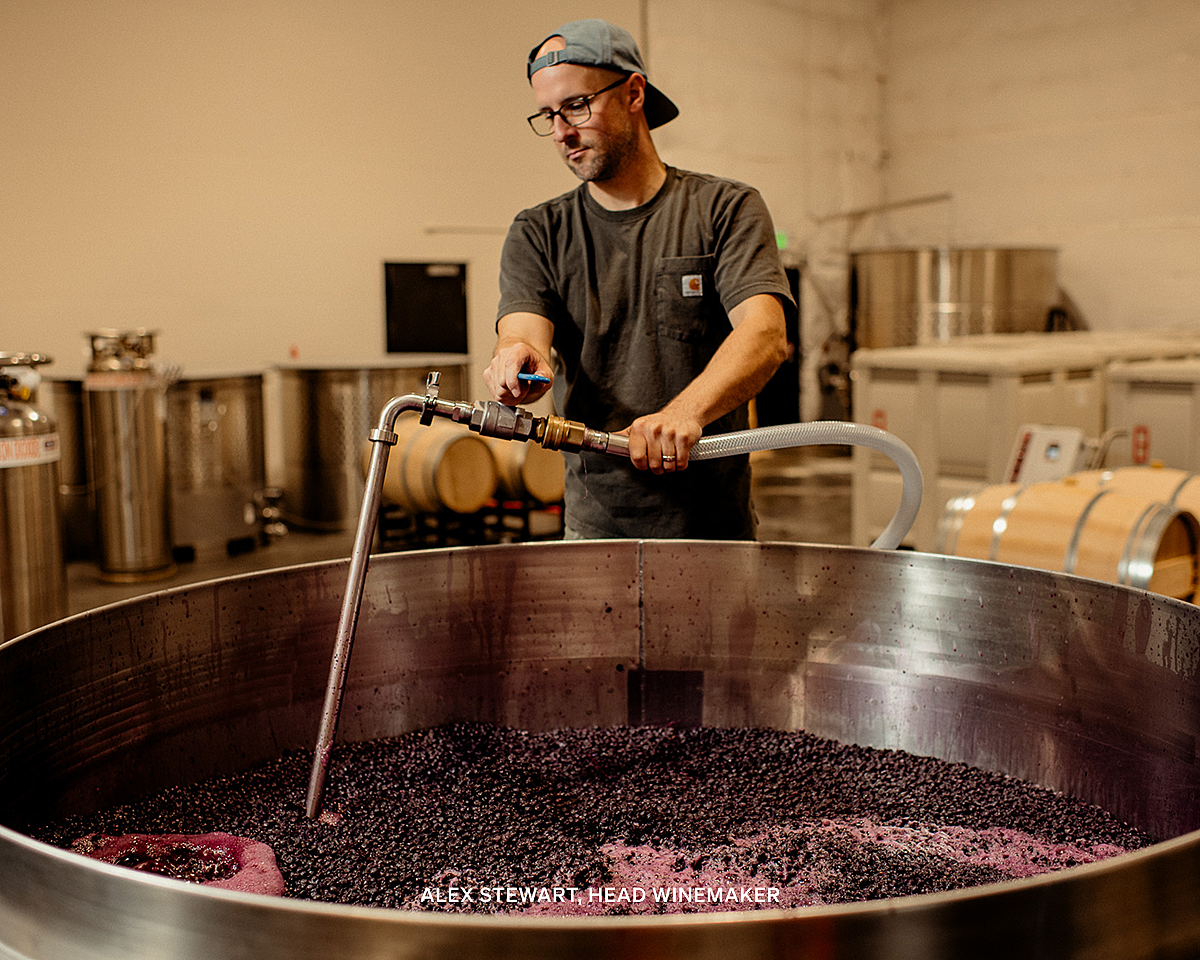
Each vineyard lot was vinified separately to preserve site specific character and build complexity at the blending stage. Upon arrival at the winery, fruit was cluster sorted, destemmed, and berry sorted before undergoing a cold soak of approximately 48 hours. Fermentation was initiated with a non saccharomyces yeast to enhance aromatic complexity and introduce greater dimensionality.
Following the cold soak, each lot was inoculated with a designer yeast and fermented under close supervision. Fermentation management was tailored to the needs of each lot through a combination of pump overs, punch downs, and pulsed air, sometimes utilizing all three methods in a single day. Temperatures were carefully monitored and controlled to achieve optimal extraction while maintaining a polished tannin structure. Primary fermentation typically lasted about two weeks.
After fermentation, the wine remained on its skins for a full 30 day extended maceration to deepen texture, integrate tannins, and enhance mid palate weight. The wine was then transferred into 100% new French oak barrels sourced from Darnajou, Taransaud, and Gamba, cooperages selected for their ability to frame Cabernet Sauvignon with elegance and spice. Malolactic fermentation occurred in barrel, converting sharper malic acid into softer lactic acid and contributing to a more supple, rounded mouthfeel.
After 21 months of cellaring, 14 barrels were selected for the final blend, yielding a limited production of 336 cases. The wine was assembled in tank and bottled unfined and unfiltered to preserve purity, vibrancy, and intensity.
Final Blend
100% Cabernet Sauvignon, Clone 8
Winemaker Tasting Notes
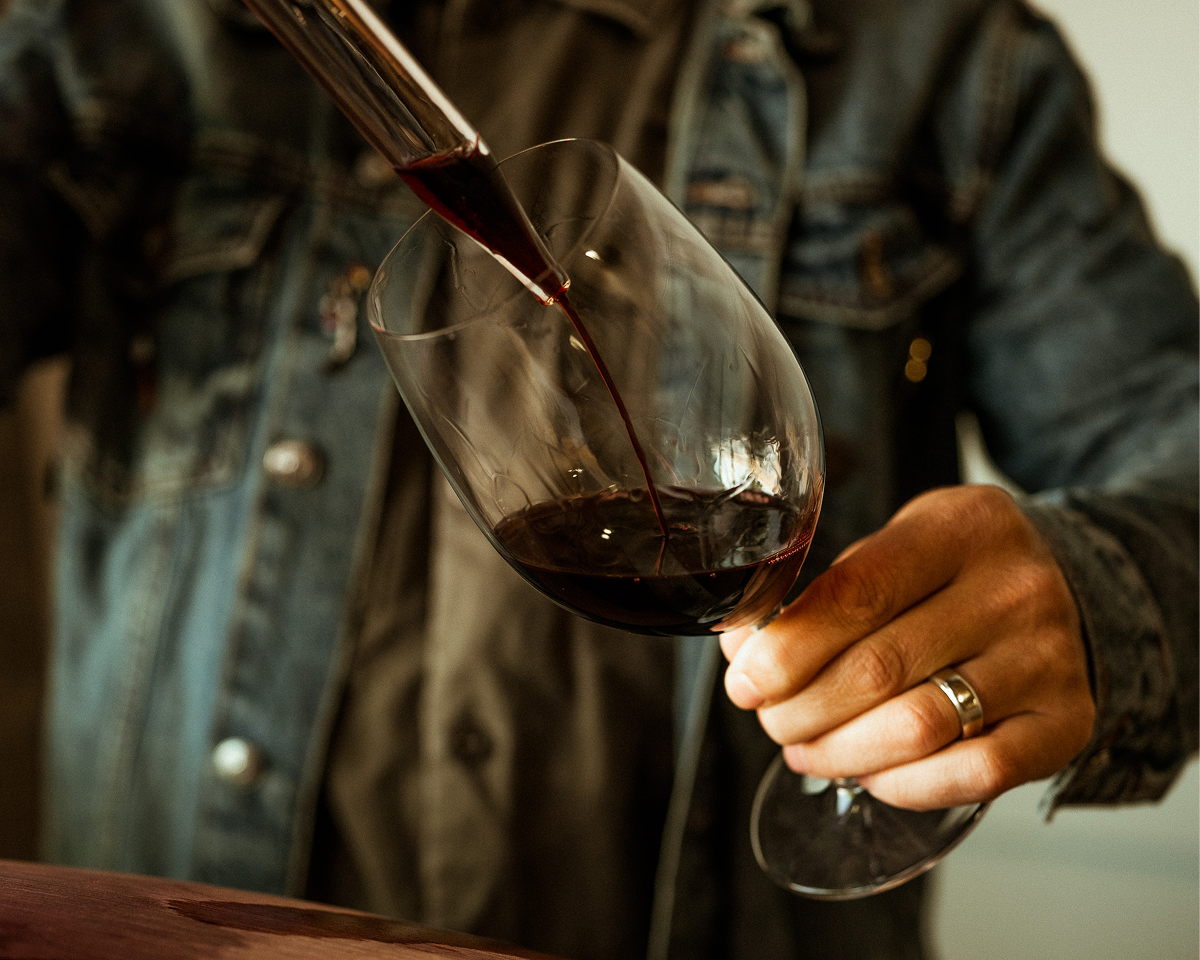
Radiant garnet with a bricky vermillion rim in the glass, the 2021 Matthews Horse Heaven Hills Cabernet Sauvignon is both luxurious and decadent. Aromatics of crème de cassis, French lavender, and subtle spices are accented with notes of rich loamy soil. The palate unfolds with layers of mulberries, rose petals, warm blueberries, and a touch of vanilla bean. Its full-bodied structure imparts fleshy, supple tannins, exuding opulence and depth. An impactful, chalky finish of sandalwood, glacé berries, and spice cake lingers throughout the minutes-long finale.
PRAISE FOR THE 2021 MATTHEWS HORSE HEAVEN HILLS CABERNET SAUVIGNON
“You are going to love the 2021 Matthews ‘Horse Heaven Hills’ Cabernet Sauvignon that was mainly sourced from the scenic Wallula Vineyard with a small portion coming from the Phinny Hill Vineyard. On the nose this takes on very classic violet rose petals that you see from this varietal grown here. A touch of green herbs add to the intrigue, as the palate displays a dazzling array of texture, weight and underlying verve. Very soft on the mouth, this is downright delicious stuff to consume now and over the next fifteen plus years to come.”
96 points, Owen Bargreen, owenbargreen.com